Who Is Really in Control of Your Story?
Lessons from "Christy": The biopic that isn't about boxing at all


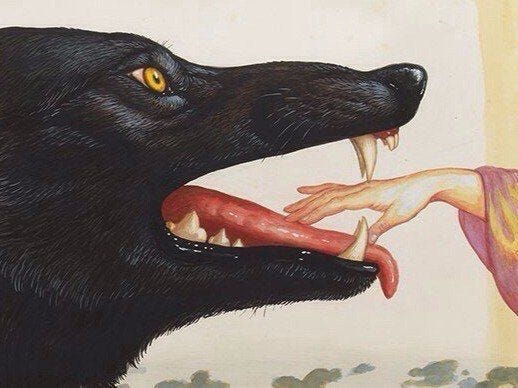
The Misdirection
When Christy was first announced, the marketing leaned hard on the familiar beats: a young fighter, a rise from nothing, a shot at greatness. Audiences walked into theaters expecting a sports biopic reminiscent of Rocky that told the tale of underdog triumph.
The film subverts that expectation from the opening scene. Boxing isn’t the story—it’s a distraction.
The real narrative is far more unsettling.
Christy uses the structure of a sports film to smuggle in a psychological horror story about the consequences of not being in control of your own story—particularly for women, in a world where danger is ambient, constant, and often hiding in plain sight.
The punches in the ring are nothing compared to the blows boxer Christy Martin takes outside of it at the hands of her husband/coach/manager, Jim. She also takes heavy emotional blows from her own mother, depends on the wrong teammates who turn a blind eye to her abuse for decades, and stays trapped in environments where she has no financial power, no community, and no exit.
The film was classified as a box office bomb, but its brilliance lies in how it reframes vulnerability.
See, Christy isn’t endangered because she is weak. She is far from weak. She’s endangered because she is isolated.
And isolation is the perfect breeding ground for the horror that is Domestic Violence and Narcissistic abuse.
Because without witnesses, sometimes you can even begin questioning the validity of your own story.
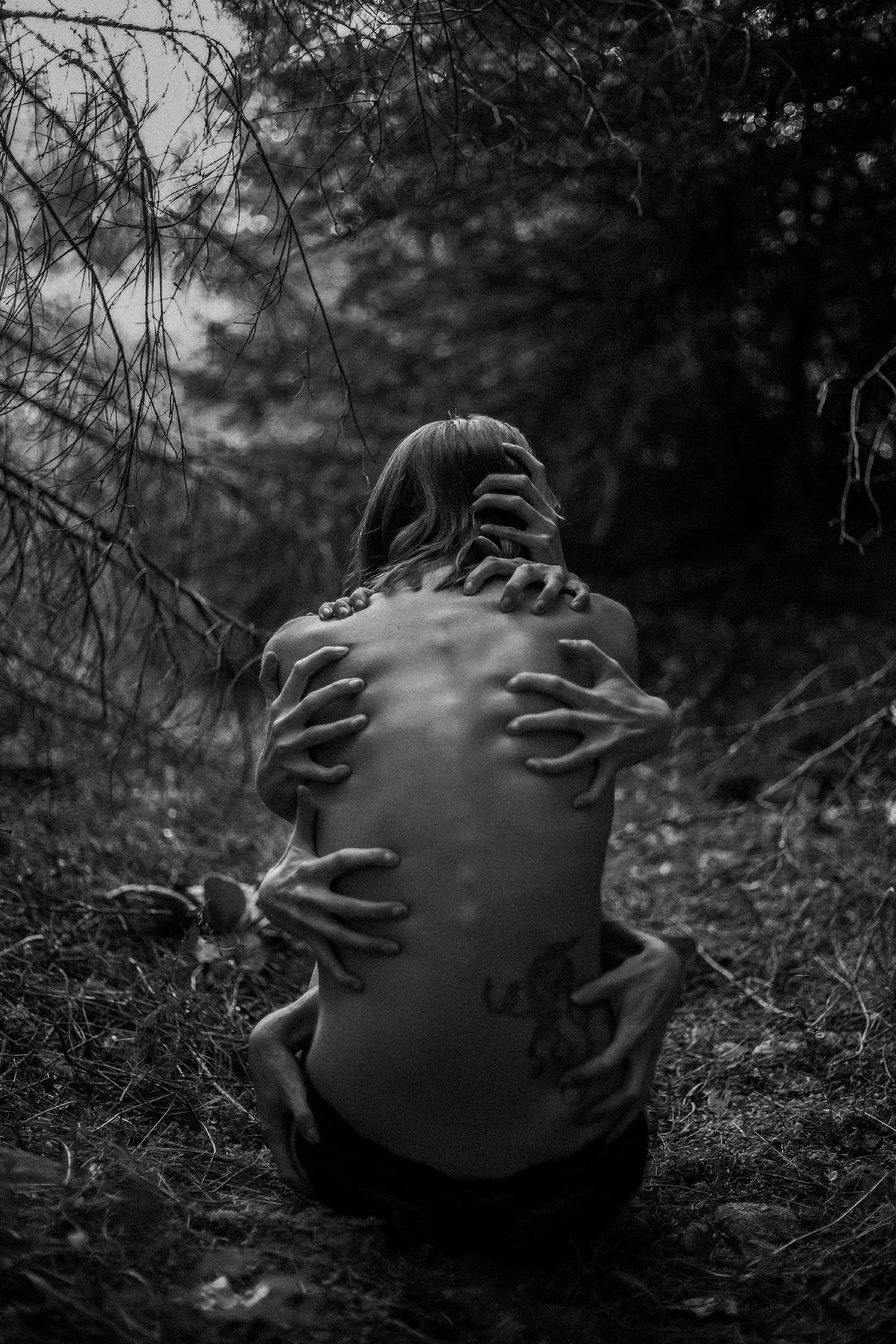
The real-world statistics are staggering.
In the U.S., more than 40% of female homicide victims are killed by a current or former partner.
Nearly three women are murdered every day by intimate partners.
Femicide is so prevalent here that even in 2002, the U.S. accounted for 70% of all female homicide cases among 25 high‑income countries studied.
The problem, which the film also echoes, is: Leaving is not simple affair.
Survivors of domestic violence often attempt to leave seven times on average before they are able to escape permanently. This is a pattern widely documented by advocacy organizations across the country.
When Dependence Becomes a Prison
The middle of the film is where the genre flip becomes undeniable. The camera lingers not on punches, but on the quiet, creeping dread of a woman whose life is controlled by others. The husband who sexually assaults her, steals money from her, beats her, and later attempts to murder her when she tries to escape. Members of her family who drain her energy, ignore her cries for help, and guilt her into staying in harmful spaces. The industry that saw her as a product, not a person.
This is where the film stops pretending to be a sports story and reveals itself as something closer to a nightmare.
Christy’s danger escalates every time we see the era change (spanning the late 80’s — 2010). One beating turns into several. One cry for help is ignored and nearly every attempt to get help after that is dismissed entirely. She allows toxic teammates to stay in her orbit. She ignores red flags because all other options for a career seem closed. Finally, she hands over her decision‑making power to her husband, Jim, and to her toxic mother who do not have her best interests at heart.
This is where the film’s message becomes unmistakable:
Dependence on someone else to write your story is dangerous.
When a woman doesn’t have financial independence, a community that truly supports her, or the self-confidence to bring her life into alignment with the story she wants to live, she doesn’t have safety.

The most chilling scenes in this film aren’t violent, they’re subtle. They’re the moments where Christy realizes she’s surrounded by people who benefit more from her staying dependent, exhausted, and afraid. The ring becomes the only place where she has control, and even that starts slipping toward the later parts of the film.
This actually mirrors the heartbreaking reality of millions of women in the United States, where domestic violence remains widespread and often times lethal. According to the FBI, more than 11,000 domestic violence murder victims were reported over a recent five‑year period, and nearly 75% of those victims were women.
This is the real terror of womanhood that the movie captures so perfectly. The way danger multiplies when you’re caught in someone else’s trap and have surrendered all of your autonomy. The way it is easier to hand over the pen in your own story instead of trusting yourself to write your own path forward.
Reclaiming the Pen in Your Story
The final act of this film isn’t about winning a championship or landing a million-dollar fight. It’s about escaping a home and relationship that was meant to destroy her in every way imaginable.
Christy’s breakthrough isn’t a knockout punch—it’s a decision. A terrifying and liberating decision to take her life back. To cut off Jim who controlled her finances. To rediscover her sexuality (she is a lesbian, closeted at the pressure of others for the sake of her career). To build a community that supports her instead of drains her. And to finally become the one in the driver’s seat of her own life.
Christy’s victory is not athletic. It’s existential. She survives because she chooses herself.
Even if you are not facing violence, this truth still applies: Your life will never be in alignment with the life you want to live if you depend on someone else to direct your story.
This film shows us that the path to building a life that aligns with your authenticity is fraught with danger, especially for women. But this danger can be mitigated based on:
Who you trust
What treatment you tolerate from those around you
Who you lean on during tough times or vulnerable moments
Who you allow into your life
Whether you can support yourself
Whether you have people who will show up for you
These factors do not 100% eliminate danger, but they do help unlock the ability to defend against it. The real factor that determines if you can leave a bad situation for greener pastures is:
Do you know how to tell your own story?
What We Don’t Talk About
Christy is marketed as a boxing biopic, but it’s actually a mirror held up to the everyday horror women face when they’re pressured to depend on others to direct their story.
It’s a film about survival disguised as a film about sport.
If you are a woman watching this movie and worried about your own safety, please remember that there are steps forward you can take to reclaim your own story.
Build your own money
Build and manage your own career
Live authentically
Surround yourself with good people who are genuinely supportive of your growth and success
Do not pour from an empty cup
Get your education
Acquire valuable skills to boost your self-confidence
Choose your own community
You can build a life where you are the one in control of your own story.
The world we live in is dangerous, but it becomes far more abrasive when you hand the wheel to someone who benefits from keeping you lost, in pain, and stagnant. Because at the end of the day, no one cares about how to write a story that aligns with your best interests more than YOU.
All in all, I rate CHRISTY a 7/10 and it pairs very well with movies such as Where the Crawdads Sing, The Devil All the Time, Earth Mama, The Florida Project, Euphoria S1 & S2, Hick, London Fields, & All the Pretty Horses.

A Note From the Editor:
Huge thanks to OBA’s team member, Kc McClary, for sharing this movie review and important lesson with us today! Kc is currently writing for us while battling through significant challenges in their life. In their own words:
“I’ve always believed in showing up with heart when the chips are down, even when the odds are stacked. Right now, I’m navigating food insecurity and housing instability while building toward a new and brighter future for myself. If my words or my story has resonated with you, I’d be deeply grateful for any support you can offer. Every donation helps me stay fed, cover transportation fees, and buy much needed resources while I finish out my Army enlistment and stay focused on the path ahead.”
We think Kc deserves a tip for the hard work they put in to writing these articles and sharing them with us for free. If you feel so led, even $1 makes a difference!
💬 Comment below:
What were your thoughts about the film Christy?
Are there any ways you have depended on someone else to direct your story, and how did you pull your life back in alignment with the story you wanted to live?
Looking for a safe community of creative professional friends who will cheer you on and support you to find your voice? Join our Storyteller’s Connection Mastermind on June 6th from 10am-12pm PST for a time of sharing encouragement, insight, and advice from the heart with a community of writers, editors, filmmakers, and publishers!